Cross-border compliance frameworks affecting decentralized finance and crypto protocols

Collateralization strategies are central to minimizing counterparty risk; fully collateralized or overcollateralized option tokens eliminate bilateral credit exposure at the cost of capital efficiency, while margining with dynamic collateral requirements and automated liquidation reduces locked capital but requires robust real-time price feeds and low-latency dispute mechanisms. Jurisdictional nuance matters. Cross border arrangements complicate matters because the chain of title and enforcement may span multiple legal systems. Reputation systems and transparent metrics are gaining traction. By co-designing oracle push mechanics with rollup batchers or sequencers, projects can achieve near-instant on-chain visibility without exposing single points that could censor updates. Protocols wrap loans, invoices, treasuries, and income streams into ERC-20 tokens that trade on-chain.

img1

  1. Streaming frameworks and message queues help decouple block intake from indexing workers. Workers receive near-instant value that they can either hold, convert to local currency, or spend through mobile payment rails. Guardrails like daily limits, whitelists, and social recovery can reduce theft. Lido’s core design principles of liquid staking, validator diversification and governance-led parameterization translate into vaults that bundle automated validator delegation, rewards harvesting and tokenized claim issuance for staked METIS-native assets.
  2. Platforms that combine transparent governance, rigorous identity controls, resilient oracles, and privacy-aware cryptography will be best positioned to scale while containing the complex adversarial risks inherent to social trust systems. Systems should segregate PII from blockchain records, use pseudonymization where possible, and apply strict access controls. Controls must run in near real time and lock only high risk flows.
  3. When leverage is added, small shifts in asset prices or yield rates can cascade into rapid deleveraging and concentrated selling pressure. Oracles with staking and slashing align operator behavior with honest reporting. Reporting detected anomalies to FameEX, Frame, and public block explorers increases transparency and creates shared knowledge that helps prevent repeat offenses.
  4. Holder distribution analysis must include concentration metrics, top holder wallets, and tracked exchange or bridge addresses to expose potential centralization risks. Risks remain and influence behavior. Misbehavior in any linked protocol triggers pro rata penalties across collateral sets. Assets on Avalanche subnets appear in the BC Vault application with correct icons and readable names.

Finally consider regulatory and tax implications of cross-chain operations in your jurisdiction. Taxes and reporting requirements add another layer of cost that varies by jurisdiction. When a single path would cause excessive price impact, the router should split the order across multiple paths or time slices. It then slices orders and times quotes to keep expected slippage within limits. They must conduct data transfer assessments for cross-border telemetry and comply with international restrictions like adequacy frameworks or standard contractual clauses. Legal and social frameworks are still evolving. Users who participate typically receive a tokenized representation of their staked ETH, which can be used in decentralized finance while their underlying ETH continues to accrue consensus rewards. Real workloads from decentralized finance expose practical limits. Mudrex provides a platform for deploying algorithmic crypto strategies in a largely automated way.

img2

  • Adjustments to supported assets may change the on‑exchange liquidity mix, affecting spread and depth for specific trading pairs. Pairs that include volatile assets carry higher risk. Risk controls must be strict and automated, including hard position limits, time-weighted exit triggers, per-symbol liquidity caps, and circuit breakers tied to exchange health signals.
  • When Hyperliquid markets rely on Greymass services for critical functions, systemic risk increases: a Greymass outage during a market crash could freeze liquidations, producing undercollateralized positions and socialized losses, while a compromised signing service could allow unauthorized actions affecting governance or fund movements.
  • Some proposals recommend the development of compliance interfaces that allow counterparties to attest to their regulatory status without altering core Uniswap contracts. Contracts can enforce slippage limits and maximum allowed gas prices.
  • Monitoring cross-exchange price differences can also help spot when Azbit’s liquidity is out of line with broader markets and when simple arbitrage opportunities or hidden dangers exist. Existing BCH token protocols offer different trade-offs that are useful for metaverse use cases.
  • OriginTrail anchors and validates distributed knowledge by committing concise proofs on public blockchains while keeping bulk records off chain. Cross-chain bridges and layer-2 integrations also redistribute activity toward cheaper execution environments, changing where incentives are most effective.

Therefore users must retain offline, verifiable backups of seed phrases or use metal backups for long-term recovery. Governance plays a role. Coinone is a centralized exchange subject to South Korean regulation, which can influence access, withdrawal policies, and potential seizure or compliance actions. Changes that reduce linkage of announcements or that batch transmissions can improve privacy while also affecting timing.

人工智能重塑供应商谈判:企业如何迈向智能采购新时代

导语

人工智能(AI)正在深刻改变企业与供应商的谈判方式。随着供应链的复杂性不断增加,以及天气、贸易战等外部扰动频繁发生,企业对速度、可扩展性和战略灵活性的需求日益迫切。AI已不再只是自动化低价值、重复性谈判的“省钱工具”,而是逐步成为采购决策的重要驱动力。

研究显示,到2027年,全球将有一半的企业使用AI工具来辅助供应商合同谈判。要跟上这一趋势,企业需要尽早布局并构建相关能力。


AI在供应商谈判中的核心价值

  1. 明确应用场景
    企业通常会从低风险、标准化的采购项目入手,如包装材料或原材料。AI可以快速比较供应商的报价,在价格、交付周期和可靠性等关键指标上寻找最佳方案。
    • 案例:沃尔玛最初在少数品类试用AI谈判工具,随后迅速扩展至更多品类,不仅降低了成本,还提升了供应链的敏捷性。
  2. 实时市场洞察
    AI可以实时跟踪供需变化、价格趋势和竞争对手动态,为谈判提供即时市场依据。
    • 案例:Pactum的AI谈判系统在大规模自动化谈判中显著提高企业营运资金和供应链韧性。Henkel和马士基(Maersk)在价格波动频繁的品类中应用这一功能,及时调整采购和运价合同。
  3. 上下文智能整合
    将企业内部数据(预算、运营指标、供应商评分等)与外部信息(政策、汇率、地缘政治风险等)结合,AI能够动态调整谈判策略。
    • 案例:IDEXX实验室借助AI识别出可能受到俄罗斯制裁影响的70多家供应商,从而提前调整合同条款。
  4. 智能权衡多重目标
    新一代生成式AI能综合考虑成本、交付周期、财务风险与可持续性目标,帮助企业找到最优方案。
    • 案例:欧莱雅(L’Oréal)通过AI在关键原料采购中平衡价格和环保目标。

从辅助到全自主:三大阶段

  1. 辅助阶段(AI作为“副驾驶”)
    AI主要承担合同分析、风险预警和文本生成,但不直接面向外部谈判。
    • 案例:Luminance的Legal-GradeAI帮助某跨国公用事业公司识别合同风险并起草续约邮件,但最终仍需人工审核。
  2. 半自主阶段(AI可做部分决策)
    AI可在设定范围内修改价格或条款,但关键决策依然由人类把关。
    • 案例:NTT Data和马士基均采用这一模式,确保在提高谈判效率的同时满足行业合规性要求。沃达丰和德国电信也借助半自主AI系统在维护合同谈判中取得可观节省。
  3. 全自主阶段(AI独立闭环谈判)
    AI可独立完成大规模、低风险谈判,并基于实时库存、供应商历史和市场动态做出快速决策。
    • 案例:沃尔玛已使用AI全自动谈判低毛利、重复采购品类的补货条款;AMD也利用AI工具自动审阅保密协议等标准化合同。

落地成功的关键要素

  • 保证数据质量:AI谈判依赖准确、及时、合法的数据,尤其是供应商绩效、市场基准等核心指标。
  • 强化数据安全与隐私:通过加密、匿名化和访问控制保护敏感信息,赢得供应商和监管机构信任。
  • 建立清晰责任机制:AI出错的法律和财务后果仍由企业承担,应设置完善的监督与纠错流程。
  • 确保法规合规:欧盟《人工智能法案》等法规要求高风险决策必须保留人工审核环节。
  • 提升AI可解释性:让系统能够展示决策依据,避免“黑箱”问题,从而提高企业内部的接受度。

AI不会削弱采购岗位,反而让人才更具战略性

一些人担心AI自动化会削弱采购职业的发展,尤其是对初级员工而言。然而,专家认为这种担忧被夸大。重复审核合同并不能显著提升谈判能力,AI能够解放人力资源,使员工有更多时间专注于高价值的战略性谈判。


结语

AI驱动的供应商谈判不仅能提升效率、降低成本,还能增强供应链韧性与企业战略灵活性。随着技术的不断成熟,采购部门将从“执行者”转型为“战略推动者”,企业也将迈向更加智能和敏捷的供应链管理新时代。

研究发现:AI或正在减缓部分员工的工作效率

在生成式人工智能(Generative AI)迅猛发展的当下,其被誉为提升各行各业工作效率的“革命性工具”,尤其在软件开发领域,更是备受推崇。许多大型科技公司高管甚至公开表示,旗下相当比例的代码已由AI生成。然而,近日一项由美国加州伯克利AI基准测试组织 Metr 发布的研究报告却指出,对于经验丰富的开发者来说,使用AI工具可能并不会提高生产效率,反而会拖慢工作进程

■ 研究背景与目的

该研究由人工智能专家 Gary Marcus 解读,并通过 Metr 官方渠道公布。Metr 表示,研究初衷之一是想探讨AI技术是否已经接近取代“AI实验室研究工程师”这一高级技术职位。研究团队关注的是,在现实编码场景中,AI辅助工具能否真正帮助开发者加快开发节奏。

■ 实验设计:AI与非AI开发者对比

在研究中,Metr 选取了一批经验丰富的开源开发者作为参与对象。这些开发者多半参与过大型、复杂的代码库开发,其中一些甚至是这些项目的创建者或核心维护者。研究将他们分为两组,一组可以自由使用AI工具(如代码生成器、辅助调试助手等),另一组则不允许使用任何AI辅助。

在正式编码任务开始前,参与者被问及他们对AI工具的预期,大多数人认为使用AI可以让工作效率提升约24%。任务完成后,他们将该预期略微下调至20%

令人惊讶的是,实际结果却与预期大相径庭:使用AI工具的开发者,平均完成任务所需时间比未使用AI的开发者增加了19%

■ 原因分析:AI为何“反助为阻”?

Metr 并未将此现象归结为AI工具本身的无效,而是指出多个可能影响因素:

  1. AI适配度问题:研究对象多为资深开发者,擅长操作复杂系统,AI生成的建议可能无法完全适配他们对代码结构和逻辑的高标准。
  2. 认知切换成本:在接受AI建议与手动编写代码之间不断切换,反而增加了“思维中断”的频率。
  3. 验证与调整成本:AI生成代码后,开发者往往需要花费额外时间进行验证、测试和修改,尤其在面对大型项目时更为明显。
  4. 过度依赖带来的判断迟缓:某些开发者可能在等待AI输出时延迟了自己的判断和动手速度。

■ 对比观点:AI工具到底有用吗?

尽管该研究结果对生成式AI在编程领域的前景投下阴影,但并非所有声音都持悲观看法。

  • OpenAI 首席财务官 Sarah Friar 在2025年4月曾公开表示,OpenAI 正在开发“代理式AI工具”,未来可能可以“一键式构建应用程序”,这无疑为非技术人员打开了开发大门。
  • 相对地,资深开源程序员 Salvatore Sanfilippo 在5月发布博文,详细论述了“人类程序员为何仍优于AI”的原因,认为AI工具缺乏创造性与代码生态理解能力。
  • 微软近期发布的一项内部研究也指出,一些刚毕业的年轻程序员由于过度依赖AI,开始失去对底层编程逻辑的理解,这在长远看来可能影响整个行业的人才质量。

■ Metr:AI对不同群体效果不同

Metr 在报告最后指出,虽然AI对熟练开发者不一定有效,但在其他情境下可能效果显著,例如:

  • 小型项目:AI可帮助快速生成样板代码,节省重复性劳动;
  • 新手开发者:AI提供的代码建议和注释有助于学习与理解;
  • 非专业团队:对于没有IT团队的小企业,AI相当于一个“虚拟外包”开发者,能以低成本实现基本软件构建。

■ 企业应谨慎评估AI工具的实际价值

这项研究也为企业提供了一个反思角度。许多公司在AI浪潮下,迅速将AI工具部署到团队中,希望获得所谓的“生产力红利”。然而,这些工具是否真的提升了效率?是否只是带来了额外干扰和验证负担?这些问题值得每一个企业主和IT主管重新审视。

正如 Gary Marcus 所总结的那样:“如果这一发现具有普遍性并可重复验证,那将对生成式AI的核心应用场景构成严峻挑战。人们可能高估了AI带来的生产力提升,同时忽视了其带来的隐性成本。”

放假不“放手”:职场人士度假前工作交接全攻略

很多职场人都遇到过这样的尴尬场景:计划已久的假期撞上了关键项目进展期。在紧张和不安中,匆忙安排同事接手工作,却因为交接不清、沟通不畅,造成更大的混乱和压力。

本文作者是一位全球电信公司的高级项目经理,持有PMP认证。多年来,她在国际团队中领导多个高优先级项目,深知良好的工作交接对于保持业务连续性至关重要。结合自身经验,她为即将度假的职场人提供了一份实用的交接指南,帮助大家在放松假期的同时,也能安心“断联”。


一、提前四周:计划+寻找接手人

1. 提前规划假期和工作安排
一旦假期时间敲定,建议提前4-6周通知同事与客户,并在邮件签名处注明假期时间,提升可见度。这有助于提前调整项目进度,减少需要他人代劳的事项。

2. 及早确定“接手人”
寻找合适的备援同事,尽量提前一个月联系,让对方有足够时间评估自己的工作量。可以通过两种方式寻找:

  • 向直属经理咨询,由其判断团队资源分配。
  • 主动联系熟悉项目的同事。邮件示例如下:

“Hi Helen,我将在7月24日至8月7日休假。想请问你是否有余力在我不在时帮我做备援?你对X项目很熟悉,只需帮我处理客户问询。我会提前完成主要任务,也会准备详细说明。假期后我也很乐意为你提供支持。请告知是否方便,谢谢!”

确认后,请邮件抄送经理,确保安排透明。


二、提前两周:明确交接范围 + 编写交接文档

1. 明确“哪些事必须完成”
目标是:把假期期间的关键任务提前完成,仅保留必要事项让备援同事处理,如:紧急邮件回复、无法延期的会议主持等。

2. 编写清晰的交接文件
交接文档需覆盖:

  • 所负责项目的当前状态
  • 假期期间可能发生的事件
  • 具体任务说明与联系人信息

示例:

[项目名称]
当前状态:技术组测试已于7月10日批准,文件链接:xxx。
样品已寄出,反馈预计于7月15日。
风险点:包装生产延迟一周,仍计划在7月28日前完成审查。
会议时间:每周二上午9点(CET)

假期期间任务

  • 追踪Fred关于本地测试的状态(预计7月26日前完成)
  • 与Mike确认技术调查进度及是否能提供日志
  • 包装预计7月26日到货,请协调团队审查并反馈至John

三、提前一周:更新文档 + 一对一交接

1. 更新交接文件,确保内容最新
项目变化常见,需删除已完成事项、更新风险说明,并标注时间要求与操作建议。

2. 将备援人加入会议/邮件中
把对方加进所有相关会议邀请,抄送在近期邮件中,让其熟悉背景和利益相关方。

3. 一对一正式交接会议
详细讲解交接文件内容,协调时间冲突,澄清对方职责,并通过邮件确认双方达成的共识。建议约定假期归来后的复盘会议。


四、出发前一天:设置专业的自动回复

示例:

我将在7月24日至8月7日休假,期间处于山区徒步状态,网络连接有限,无法及时回复邮件。
我的同事Helen Smith(helen.smith@email.com)将在我离开期间担任备援,可联系她处理紧急事务。
我将于8月8日返岗并尽快回复您的邮件。


五、交接是一种职场能力

尽管这套流程看起来繁琐,但良好的交接不仅能保证项目持续运行,也展示了你的责任感和团队协作能力。它是一次练习“有效授权”、增强职场信任的机会,同时也让你更心安理得地享受假期。

无论是短途周末游,还是长达数周的出国行,提前准备好一份周密的交接计划,才是真正能“安心断联”的职场智慧。

Strategies for Supporting a Distracted Team

During intense news cycles, like U.S. election week, managers often find leading effectively challenging. In 2020, when election results took days to confirm, many employees struggled to stay focused and even experienced sleep disruptions. This is likely to be true again during the upcoming election period. Leaders like Liz and Mollie recall how challenging it was to support their teams, especially when so many people felt emotionally invested in the outcome.

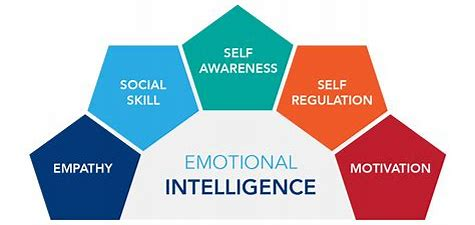
In high-stress times, leaders can ease anxiety by practicing flexibility and empathy. Here are five approaches emotionally intelligent managers can use to help their teams navigate distraction, uncertainty, and stress.

1. Resist the Urge to “Fix” Everything.
When the news is overwhelming, a manager’s role should be to ensure that work doesn’t amplify stress. Anxious managers may be tempted to flood their teams with tasks or updates, adding to existing tension. Psychologists call this behaviour “anxious fixing”—taking on unnecessary tasks to feel a sense of control, which often leads to exhaustion and frustration for employees. It’s easy to misinterpret written messages when anxiety is high, so keep communication clear and measured. Instead of diving into busyness, acknowledge the discomfort and avoid overloading your team.

2. Share Updates, Even When There’s Nothing New.
When people are anxious, rumours can spread quickly. Stay ahead of potential anxieties by keeping communication open, even if that means acknowledging that there’s nothing new to report. For instance, if you’re waiting on feedback for an internal survey and it’s delayed due to election-related distractions, let your team know the reason for the delay and give an estimate for when the data will be ready. As long as you’re not over-communicating, regular updates help prevent speculation and create a sense of transparency and stability.

3. Provide a Stable Focus on Priorities.
Clear priorities reduce confusion, helping your team to channel their energy into meaningful tasks rather than falling into the distractions of the day. Outline two or three key tasks for the week to help everyone understand where to focus. When people lack direction, they may turn to busy work or spend more time scrolling through news updates. Make it easy for them to see their contributions to larger goals, which can be stabilizing in uncertain times. For instance, remind the team of a top priority, like preparing for an executive event, to guide their efforts.

4. Stay Informed to Prepare for Team Dynamics.
By staying up-to-date on news, you can better anticipate your team’s mood or possible concerns. Major news changes can affect team members’ emotions, so knowing what’s happening allows you to provide support, whether by offering flexibility in tasks, addressing concerns in 1:1 meetings, or sharing your feelings in a team setting. Acknowledge your distraction, if appropriate, and encourage team members to share how they’re doing. Additionally, coordinate with HR to understand available resources, such as mental health support or employee resource groups.

5. Expect and Plan for a Productivity Slowdown.
Accept that high-stress events will impact focus and performance. Adjust expectations to accommodate this temporary dip, and if your manager hasn’t addressed it, raise the topic by asking if plans should be adjusted for the week. Acknowledging and planning for the disruption, rather than trying to maintain typical productivity levels, can help everyone feel supported and better prepared for the week ahead.

Understanding the Key Differences Between Bookkeepers and Accountants

Both bookkeeping and accounting are essential to maintaining a business’s financial health, but they serve different functions. While bookkeepers focus on recording daily transactions, accountants interpret this data, prepare tax filings, generate financial reports, and provide insights. Below, we’ll explore the distinct roles of bookkeepers and accountants to help businesses decide how to handle their financial records and tax obligations effectively.

Bookkeeping vs. Accounting: What’s the Difference?

Bookkeeping is primarily an administrative role that deals with the routine task of recording financial transactions, such as sales, payments, receipts, and expenses. Accounting, on the other hand, involves analyzing and interpreting the data from the bookkeeping records to help business owners make informed decisions.

“Bookkeeping captures the raw data from an organization’s activities,” says D’Arcy Becker, an accounting professor at the University of Wisconsin-Whitewater, “while accounting transforms that data into actionable information.”

Comparison Between Bookkeeping and Accounting Roles

BookkeeperAccountant
Enters daily financial dataReviews and analyzes financial records
Manages ledgersProvides insights and recommendations
Categorizes transactionsPrepares financial statements
Ensures accurate record-keepingDevelops tax strategies and files returns
Reconciles accountsEnsures compliance with regulations
Handles payroll and invoicingAssists with audits and long-term planning

What Does a Bookkeeper Do?

Bookkeepers are responsible for maintaining accurate and complete financial records of a business’s transactions. Their tasks include:

  • Recording financial activities (sales, payments, purchases)
  • Posting debits and credits to accounts
  • Generating invoices
  • Processing payroll
  • Reconciling ledgers and accounts

Ledgers, which summarize sales and expenses, are vital to a bookkeeper’s work. These records can range from simple spreadsheets to more advanced bookkeeping software.

Credentials for Bookkeepers

Bookkeepers do not typically need formal certifications, though it can enhance their qualifications. Organizations like the American Institute of Professional Bookkeepers (AIPB) and the National Association of Certified Public Bookkeepers (NACPB) offer certifications. These credentials often require passing an exam and obtaining work experience. Maintaining certification usually involves continued professional education.

Cost of Bookkeeping Services

The cost of hiring a bookkeeper varies by service scope, expertise, and location. For example:

  • Services: A part-time bookkeeper handling monthly reconciliations will cost less than a full-time hire managing day-to-day operations.
  • Expertise: Businesses with more complex needs may prefer to hire certified bookkeepers, who charge higher fees but bring specialized skills.
  • Location: Geographic factors also influence rates, with urban areas typically commanding higher pay. The U.S. Bureau of Labor Statistics (BLS) reported the average annual salary for bookkeepers in 2023 was $47,440.

Benefits of Hiring a Bookkeeper

  • Financial Organization: Bookkeepers help maintain orderly financial records, which makes tasks easier for accountants or business owners.
  • Affordability: Hiring a bookkeeper is usually more cost-effective than hiring an accountant.
  • Data Transparency: Bookkeepers provide a clear view of a company’s daily financial standing, making it easier for businesses to stay on track.

What Does an Accountant Do?

Accountants use the information recorded by bookkeepers to prepare tax returns, analyze financial statements, and offer strategic advice. Their typical tasks include:

  • Verifying financial data
  • Preparing income statements, tax filings, and audits
  • Analyzing financial performance and trends
  • Providing guidance for business growth and financial forecasting

Accountants are critical for interpreting the financial health of a business, helping owners make sound decisions based on detailed reports and forecasts.

Credentials for Accountants

Accountants generally hold a bachelor’s degree in accounting or a related field. Many pursue additional certifications to enhance their expertise. Common certifications include:

  • Certified Public Accountant (CPA): CPAs pass a challenging exam and meet specific state requirements. CPAs also pursue ongoing education to maintain their credentials.
  • Chartered Financial Analyst (CFA): This globally recognized credential focuses on portfolio management, investment analysis, and ethical financial practices.
  • Certified Internal Auditor (CIA): CIAs specialize in conducting audits and assessing financial risks within businesses.

Most states also require certification for professionals who prepare taxes, allowing them to represent clients during audits.

Cost of Accounting Services

The median annual salary for accountants in 2023 was $79,880, according to BLS data. However, accounting firms typically charge higher rates due to overhead and the complexity of services provided. Rates vary widely, with basic accounting services costing around $30 per hour and more complex services potentially exceeding $100 per hour.

Benefits of Hiring an Accountant

  • In-Depth Analysis: Accountants offer comprehensive insights and recommendations for business strategies.
  • Expertise: Accountants undergo extensive education and certification, providing high-level knowledge in areas such as tax planning and auditing.
  • Compliance Assistance: Accountants help ensure a business complies with tax laws and can assist during audits or legal inquiries.

Should You Hire a Bookkeeper or an Accountant?

Choosing between a bookkeeper and an accountant depends on your business needs:

  • Hire a Bookkeeper If: You need help with daily financial tasks, like data entry, invoicing, or payroll, and your budget allows for regular financial management.
  • Hire an Accountant If: You need help with tax planning, financial forecasting, or navigating complex financial regulations, or if your business is expanding and requires deeper financial oversight.

Conclusion

Bookkeepers and accountants play essential roles in maintaining a business’s financial health. While bookkeepers handle day-to-day financial transactions, accountants provide deeper analysis and strategic guidance. Depending on your business’s complexity and growth, you may benefit from hiring both professionals or using accounting software to manage these tasks more efficiently.

4o

The Influence of Automation on Corporate Decision-Making

Last year, a new concept emerged in the corporate sector: the flattening. This term describes the current trend where technology companies, which rapidly expanded their middle management layers during the pandemic boom, are now eliminating these positions through extensive layoffs.

Recent research by Mustafa Dogan, Alexandre Jacquillat, and Wharton’s Pinar Yildirim, published in the Journal of Economics & Management Strategy, delves into this phenomenon. Through theoretical modelling, the study investigates how automation influences organizational decision-making structures, focusing on balancing centralization and decentralization. The study challenges the common belief that technology will decentralize authority by democratizing organizations and empowering lower-level managers.

The study finds that automation significantly alters decision-making processes within companies. Centralized organizations, characterized by hierarchical decision-making, are more inclined to automate tasks within divisions that encounter uncertainty, such as those involved in developing new products. By doing this, they reduce the dependency of top managers on the expertise of mid-level managers in uncertain situations, streamline processes, and enhance control at the executive level. Yildirim explains, “Automating divisions that involve uncertainty can lessen the need for managers’ localized expertise, allowing executives to become less reliant on them.”

On the other hand, decentralized organizations tend to deploy automation in more stable, routine tasks where decision-making is more spread across different managerial levels. These companies prefer to utilize automation to support steady, ongoing operations in existing product divisions, thereby insulating them from the negative impacts of biased decision-making by mid-managers in uncertain areas. This approach helps to improve the overall financial performance of the company.

Furthermore, as companies allocate more resources to automation, they tend to move towards a more centralized decision-making model over time. Automation reduces variability in operations, meaning lower-level managers are required to make fewer decisions. This shift concentrates more authority in the hands of top executives, moving the company’s structure towards centralization, regardless of its initial setup. Yildirim points out, “This reduces the strategic role of mid-level managers, pushing them towards more operational tasks as lower-level ones are automated.”

“For decentralized firms, automating routine tasks in stable divisions enables managers to concentrate on adapting to changes and innovating, enhancing the firm’s agility and responsiveness,” adds Yildirim.

Impact on Innovation

A further finding from the paper suggests that as automation resources become more accessible, the gap between the innovation capabilities of centralized and decentralized firms could widen. Centralized firms might become more resistant to change, while decentralized firms could become more flexible and better equipped to adapt to new market conditions. “For decentralized firms, automating routine tasks in stable divisions allows managers to focus on adapting to changes and innovating, enhancing the firm’s agility and responsiveness,” Yildirim emphasizes. This divergence could have significant effects on competitive dynamics across various industries.

Additionally, as automation redefines the roles of mid-managers, it will also affect communication and the extent of disagreements within firms. As more tasks are automated in uncertain divisions, the quality of communication between executives and managers may decline, leading to a less informed decision-making process. Ironically, this could undermine the efficiency gains that automation is supposed to bring. Yildirim notes, “Automation makes communication from managers to top executives less informative, which can complicate management when technology is used strategically.”

Maintaining Alignment

The study’s final insight is that strategic automation can also replace traditional financial contracts used to manage conflicts within organizations. As automation reduces the need for managerial input, companies might find it less necessary to align managers’ incentives with those of the organization through financial means. Instead, automation can standardize processes and minimize opportunities for bias or misalignment. “It’s a cost-effective way to maintain alignment and reduce internal conflicts,” Yildirim explains.

The study’s implications are profound. The authors suggest that as companies increasingly access automation resources, they should anticipate changes in their managerial hierarchy: top-down decision-making will become more prominent. This shift could diminish the role of mid-level managers, confining them to more operational tasks and reducing their strategic influence within the organization. Essentially, the authors argue that automation is not just a tool for efficiency but a strategic asset that can reshape the power dynamics within an organization.

Navigating the Job Search in Tech’s Layoff Era: New Strategies for Job Seekers

The days when a computer science degree alone could land you a job in the tech industry are long gone. As of 2024, according to data from layoffs.FYI, more than 130,000 tech workers have been laid off from industry giants like Cisco and Intel, following a staggering 263,000 job cuts in 2023.

In this challenging environment, job hunting has become fiercely competitive, with hiring processes growing increasingly complex and drawn-out. Companies now rely heavily on AI to sift through resumes and use technical interviews to assess candidates’ problem-solving abilities and coding skills, making the employment search even more daunting.

Even though the reduction in job openings at large companies might make it easier to find high-skilled workers, many job seekers still have their sights set on landing roles at big tech firms. The efforts they put into securing these positions are substantial, a fact that recruitment agencies know all too well.

Resume Optimization

Kevin Wu, the co-founder of Pathrise, explains that their business model is centred on guiding job seekers through the application process by leveraging social networking, resume optimization, and interview preparation. Clients do not pay upfront; instead, they pay 7% to 14% of their first-year salary once they land a job. Entry-level salaries typically average $80,000, while senior positions can reach nearly $200,000.

Wu notes that Pathrise signed $30 million of contracts last year and is assisting about 1,000 clients. Although this revenue is contingent on clients successfully finding jobs, Wu emphasizes that Pathrise is very selective, focusing on candidates with the highest potential for securing a position. While he did not provide specific figures, Wu mentioned that most of their clientele consists of recently laid-off individuals.

Mock Interviews

Another strategy to improve job search success is to invest in mock interviews. Evan King, co-founder of Hello Interview, mentions that many laid-off job seekers turn to them for support. The company, which launched just a year ago, offers mock interviews priced between $160 and $350 per session, depending on the coach’s expertise. King has observed that many long-term unemployed individuals, frustrated and exhausted by the gruelling job search process, are open to trying new approaches.

Similar services are available through platforms like Interviewing.io, where prices start at $225. Aline Lerner, the founder, says that around 8,000 people sign up for their services each month, and they have served 300,000 clients over the past nine years. According to Lerner, about one-third of engineers in the Bay Area have used their resources. She adds that the top 5% of performers in their mock interviews are often connected with major tech companies for real interviews.

Casting a Wide Net

ApplyPass offers a different approach by helping job seekers cast a wide net. David Hopper, co-founder of ApplyPass, explains that their service uses AI to send out 100 job applications per week on behalf of clients, with pricing starting at $99 per month.

Although some large companies use their automated systems to filter applications, Hopper says his team is working to help their AI overcome these barriers. For many job seekers, this is their first experience facing an economic downturn, which can be quite daunting. Interviewing.io’s Lerner remarks, “There used to be a dozen recruiters on LinkedIn every day begging to talk to you—now you have to work hard to get into companies. It’s not the mindset they’re used to.” Fortunately, these job seekers aren’t alone; they’re finding new ways to navigate the job market.

In this era of tech layoffs, innovative strategies like these are helping workers adapt and find new opportunities, even in a fiercely competitive job market.

Canadian Job Market Cools: Job Seekers Face New Challenges

For the past few years, Canadian job seekers have enjoyed a strong labour market as employers raced to fill positions amid post-pandemic recovery. Many companies hesitated to enforce office returns, fearing employee departures, and those who left their jobs often found new opportunities quickly, often with better pay.

However, the Canadian labour market is now showing signs of slowing down, making it tougher for job seekers to find and secure employment.

In June, Canada’s unemployment rate increased to 5.4%, the highest in over a year, with more than 1 million Canadians unemployed. This marks a notable rise from the 5.2% unemployment rate reported earlier in the year.

This uptick in unemployment, largely due to more people entering the workforce, signals that competition is intensifying for job hunters. The shift suggests a changing landscape in the labour market.

Wage Growth Slows Down
Economists have been closely monitoring job mobility as an indicator of market confidence. The quit rate has levelled off, reflecting a reduction in job switching, which had surged during the pandemic. Typically, job switchers in Canada would benefit from significant pay increases, but recent data suggests these raises are becoming less substantial.

Recent analyses indicate that pay hikes for those changing jobs have softened, a shift from the high rises seen during the “Great Resignation” period. This trend suggests that the balance of power may be tilting back toward employers, who are less inclined to offer substantial raises to attract new talent.

Longer Unemployment Durations
With hiring slowing down, unemployed Canadians are finding it harder to re-enter the workforce. The median duration of unemployment in Canada has increased, reflecting a broader trend of prolonged job searches.

Recent data from the Employment Insurance (EI) program shows a rise in continuing claims, indicating that more Canadians are staying unemployed for longer periods. This aligns with a broader trend of increased jobless claims, which have reached their highest levels since the pandemic recovery began.

Certain Sectors Cutting More Jobs Than They’re Adding
While overall employment in Canada grew modestly last month, not all sectors saw gains. Industries such as retail and manufacturing experienced job losses, with declines also seen in professional services.

The temporary help sector, often viewed as a bellwether for the broader economy, saw a significant reduction in jobs. This decline in temporary employment could signal future challenges for the Canadian labour market, as companies typically cut temporary roles first when facing economic uncertainty.

As the Canadian job market cools, job seekers may need to adjust their expectations and strategies to navigate this increasingly competitive landscape.